Are you noticing swollen or twisted veins in your legs that are causing continuous pain? Maybe you’re getting an achy feeling near the surface of your skin?
These problems indicate that you have a vein issue and should immediately consult a specialist. However, vein specialists are not one-size-fits-all, and their roles vary widely depending on your issue.
In today’s article, we’ll talk about who a vein specialist actually is and what they can treat.
Who Is a Vein Specialist?
A vein specialist is a doctor who diagnoses and treats conditions of the veins, such as spider and varicose veins, as well as chronic venous insufficiency. This role can be categorized further.
For example, a phlebologist is a doctor who specially focuses on diagnosing superficial vein conditions. These experts generally use non-surgical or minimally invasive methods.
A vascular surgeon is a trained person who manages complex vascular issues, including major surgical interventions. Doctors in this field may originally train in interventional radiology or dermatology before specializing in vein care.
What a Vein Specialist Can Treat
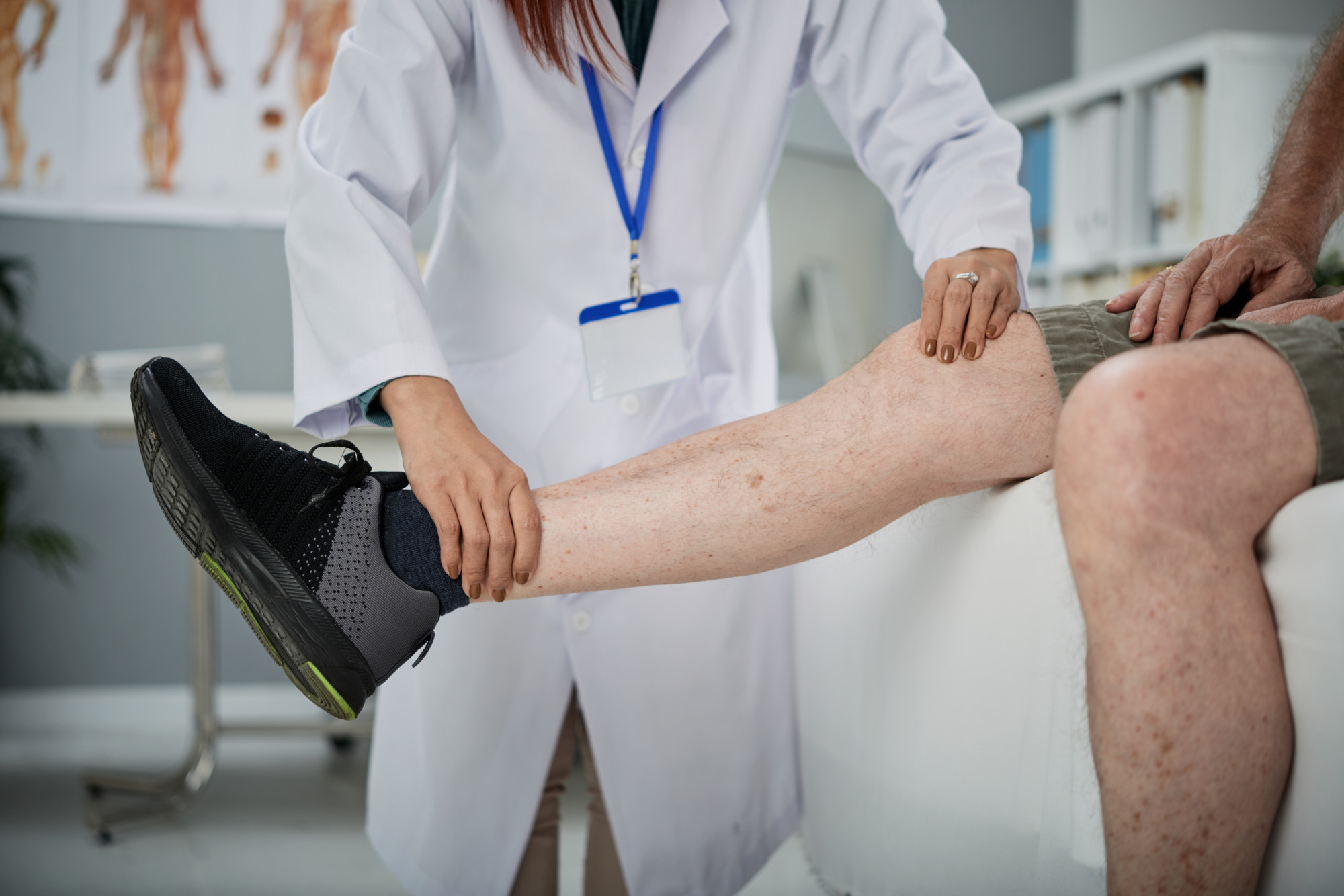
Varicose veins are enlarged, twisted, and swollen surface veins, usually caused by damaged valves. Similarly, spider veins are smaller, web-like clusters of red, blue, or purple veins visible near the skin’s surface. And deep vein thrombosis is a serious medical condition in which a blood clot forms in a deep vein and can travel to the lungs. A specialist can help you with all of these conditions.
And if the one-way valve in the veins has failed, causing blood to pool in the lower legs, a specialist can offer a suitable treatment to reduce swelling.
Noninvasive Treatment of Varicose Veins
A vein specialist can also provide noninvasive treatment of varicose veins without performing the traditional hospital surgery. For mild cases, they can recommend non-invasive lifestyle measures. For example, compression stockings are widely used to improve blood flow in the affected area. They may also ask you to periodically raise your legs above heart level to reduce venous pressure.
But if you need the vein closed or removed, a specialist can routinely perform office-based, minimally invasive procedures under local anesthesia. For example, they can inject a specialized chemical solution or foam directly into the vein, causing it to collapse and fade over time.
Qualities of a Good Vein Specialist
A good vein specialist combines strong diagnostic skills and patient-centered communication to help people recover from the issue sooner.
For example, they always have a formal board certification in vascular surgery or interventional radiology. They also fully understand the ins and outs of overall blood flow, which allows them to identify whether surface veins stem from underlying circulatory issues.
A skilled specialist is also well-versed in diagnostic ultrasound to map deep veins, locate hidden reflux, and rule out blood clots.
When choosing someone, make sure they offer modern, non-surgical treatments rather than relying on outdated surgical stripping. They should also take time to listen to symptoms like leg cramping and fatigue, rather than pushing a one-size-fits-all cosmetic fix.