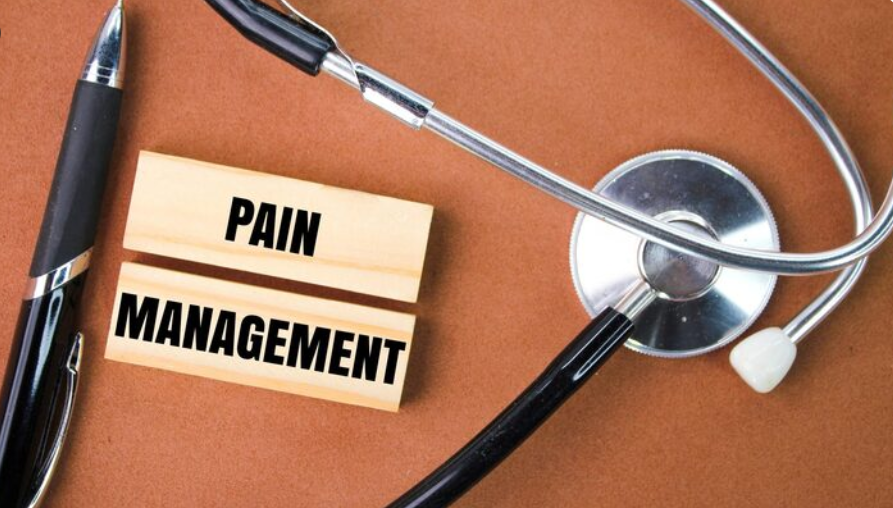
Chronic pain can affect many parts of daily life, making simple activities such as walking, working, sleeping, and spending time with family more difficult. Unlike short-term pain, chronic pain can continue for months or even years. It may develop because of an injury, a medical condition, or changes in the nervous system. Finding the right way to manage ongoing discomfort is important for maintaining a better quality of life. Pain management offers different approaches that can help people control their symptoms, improve movement, and feel more comfortable in their daily routines.
Understanding the Role of Pain Management
Pain management focuses on identifying the causes of pain and finding suitable ways to reduce its effects. Every person experiences pain differently, so treatment plans are often based on individual needs, medical history, and lifestyle.
Healthcare professionals may use different methods to understand the source of discomfort and recommend appropriate treatments. These approaches can include medication, physical therapy, lifestyle changes, and other supportive treatments. The main goal of pain management is not only to reduce discomfort but also to help people stay active and maintain their independence.
Identifying the Causes of Chronic Pain
Understanding the cause of chronic pain is an important part of choosing the right treatment. Conditions such as arthritis, back problems, nerve damage, and previous injuries can lead to long-lasting discomfort.
A healthcare professional may review medical history, perform a physical examination, and recommend tests when necessary. This helps identify possible causes and understand how pain affects everyday activities. With a clearer understanding of the condition, patients can receive a more suitable pain management plan that addresses their specific concerns.
Exploring Different Pain Management Treatments
There are several treatment options that may help people manage chronic pain. Medication is one common approach and may include prescribed pain relievers or other medicines that target specific conditions. However, the right medication depends on the type and severity of pain.
Physical therapy is another useful option. Guided exercises can improve flexibility, strengthen muscles, and support better movement. Some patients may also benefit from heat therapy, cold therapy, massage, or other treatments recommended by their healthcare providers. Combining suitable methods can make pain management more effective and support long-term comfort.
Improving Daily Life Through Healthy Habits
Healthy daily habits can play an important role in managing ongoing pain. Gentle physical activity, balanced nutrition, and proper sleep may help support overall health and improve physical comfort.
Activities such as walking, stretching, and swimming can help maintain movement without placing too much pressure on the body. Managing stress is also important because emotional tension can sometimes make pain feel worse. Relaxation techniques, breathing exercises, and mindfulness may help people feel calmer and cope better with their symptoms.
Working With Healthcare Professionals
Managing chronic pain often requires regular communication with healthcare professionals. Doctors, physical therapists, and pain specialists can monitor progress and make changes to treatment plans when needed.
Patients should discuss their symptoms, treatment results, and any side effects they experience. Regular follow-ups help ensure that the chosen pain management approach remains suitable as their needs change. Working together with experienced professionals also helps patients understand their condition and make informed decisions about their care.
Conclusion
Living with chronic pain can be challenging, but the right support and treatment can make everyday life more manageable. Pain management provides different options to reduce discomfort, improve mobility, and support overall well-being. By understanding the causes of pain, exploring suitable treatments, developing healthy habits, and working with healthcare professionals, individuals can take positive steps toward a more comfortable and active life.