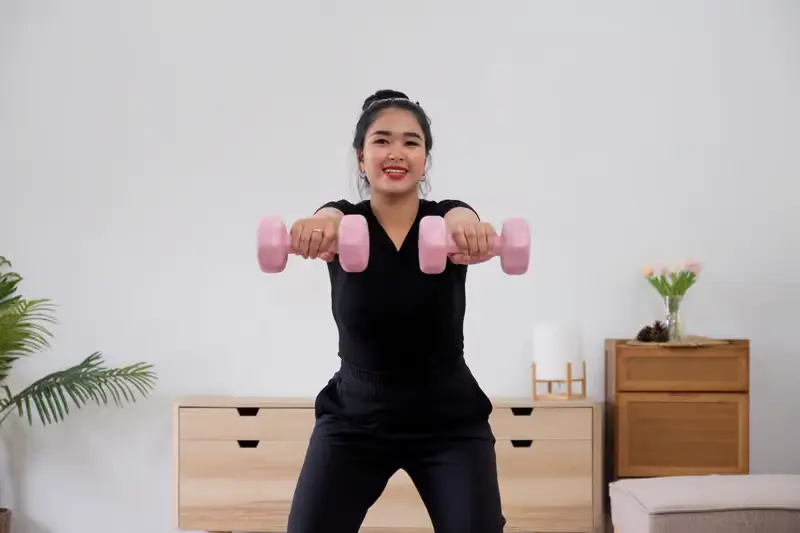

Building strength is about more than lifting weights. It involves learning how the body moves, developing muscular control, and gradually increasing physical capacity. For women who are new to structured exercise, a thoughtful starting plan can make training safer and more enjoyable. A beginner fitness women strength program should include basic movement patterns, suitable resistance, joint stability, recovery, and balanced nutrition. It should also reflect individual abilities rather than follow a rigid routine designed for everyone. The aim is to develop a foundation that supports everyday activities and prepares the body for more challenging exercise. With realistic expectations and consistent practice, beginners can build strength without rushing the process.
Assessing Physical Readiness Before Beginning a Strength Program
Before starting resistance training, consider your current activity level, movement ability, and health background. Someone who regularly walks or participates in recreational activities may have a different starting point from someone who has spent several years being inactive. Neither situation prevents progress. It simply means the initial workload should be appropriate.
Think about your mobility, balance, and ability to perform basic movements comfortably. Can you sit down and stand up from a chair without difficulty? Can you raise your arms overhead without discomfort? Can you maintain a stable standing position? These simple observations can help identify movements that may need modification.
Also consider previous injuries, recurring pain, existing medical conditions, and medications that may influence exercise. Women who are pregnant, recently postpartum, recovering from surgery, or managing chronic conditions may need individualized guidance from a healthcare professional.
Identifying the Right Starting Point
Beginners with limited exercise experience can start with supported movements, short sessions, and light resistance. Bodyweight squats to a chair, wall push-ups, and supported standing exercises provide accessible ways to learn basic techniques.
Previously active women should also avoid assuming that past fitness guarantees current readiness. Strength, mobility, and endurance can change during periods of inactivity. Reintroduce training gradually and observe how the body responds.
The objective is to identify a starting level that feels manageable while still providing a useful training challenge. Exercise should require effort, but it should not create unnecessary discomfort or force you to compromise movement quality.
Selecting Foundational Movement Patterns for Balanced Strength
A well-designed strength program trains movement patterns rather than focusing only on individual muscles. This approach develops practical abilities that transfer to everyday activities.
Squatting strengthens the muscles involved in sitting, standing, and climbing stairs. Hip-hinge movements train the hips and posterior chain, which help with lifting objects from the floor. Pushing exercises develop the chest, shoulders, and arms, while pulling exercises strengthen the back and support upper-body control.
Carrying movements are also useful. Holding a manageable weight while walking challenges grip strength, posture, and core stability. Core exercises help the torso remain controlled during lifting, reaching, and other movements.
A beginner does not need to master every variation immediately. Start with accessible exercises and learn how each movement should feel. For example, a chair squat can introduce the squatting pattern before progressing to a free-standing squat. A wall push-up can prepare the upper body for more demanding pushing exercises.
Balanced training also means avoiding the tendency to concentrate only on the muscles that are most visible. Strong legs, hips, back, shoulders, and core muscles all contribute to functional fitness. Training these areas together creates a more complete foundation.
Choosing Suitable Equipment and Resistance Levels
The right equipment makes strength training more accessible, but beginners do not need an expensive setup. Bodyweight exercises can develop initial strength while teaching basic movement control. They are particularly useful for learning squats, glute bridges, modified push-ups, and core exercises.
Resistance bands provide another flexible option. They are lightweight, portable, and available in different resistance levels. Beginners can use them for rows, assisted movements, and shoulder exercises. However, bands should be checked for damage and secured properly before use.
Light dumbbells allow gradual resistance increases. They can support exercises such as presses, rows, and controlled lower-body movements. Gym machines may also be useful because they guide movement along a defined path. This can make certain exercises easier to learn, although correct seat positioning and setup remain important.
Choose resistance that allows you to complete planned repetitions with control. The final repetitions may feel challenging, but you should not need to swing the weight, hold your breath, or change your posture to finish.
Building an Effective Home or Gym Setup
A home workout area should have stable flooring, enough space to move, and equipment stored safely. A resistance band, exercise mat, and a pair of suitable dumbbells can support a basic routine.
In a gym, ask for help when using unfamiliar machines. A qualified trainer can explain adjustments, demonstrate movement technique, and help select an appropriate starting load.
Equipment should make training easier to organize, not create pressure to perform advanced exercises. Start with a few useful tools and expand the setup only when your program requires them.
Learning Joint Stability, Balance, and Core Control
Foundational strength depends on the ability to control movement around the hips, knees, shoulders, and spine. Developing muscle strength without learning basic stability can make certain exercises difficult to perform consistently.
Core muscles help stabilize the torso during everyday movements. They contribute when carrying groceries, reaching overhead, lifting objects, and changing body position. Exercises such as dead bugs, bird dogs, and modified planks introduce controlled core engagement without requiring advanced equipment.
Balance training is another useful component. Supported single-leg stands can help beginners develop coordination and awareness of body position. As control improves, the amount of support can be reduced.
Joint stability does not mean keeping every joint rigid. Healthy movement requires an appropriate balance between mobility and control. For example, the knees should move naturally during a squat while remaining aligned with the direction of the feet. The shoulders should move smoothly during pressing and pulling exercises.
Start with slow repetitions and manageable ranges of motion. Avoid forcing a position that causes pain or requires excessive compensation. Stability exercises should support full-body resistance training rather than replace it.
Organizing Training Volume, Rest, and Weekly Frequency
Training volume describes the amount of work completed through exercises, sets, and repetitions. Beginners should start with a manageable workload because the body needs time to adapt to unfamiliar demands.
Two nonconsecutive full-body strength sessions per week provide a practical starting point for many healthy adults. Each session can include four to six exercises covering the major movement patterns. Start with one or two sets per exercise and choose a repetition range that allows controlled technique.
As experience improves, a third weekly session may become appropriate. However, increasing frequency should depend on recovery and the quality of previous workouts. More sessions do not automatically produce better results.
Rest between sets allows breathing and muscular effort to recover. The required time depends on exercise difficulty and individual fitness. Beginners can take longer breaks when needed rather than rushing through a workout.
Cardiovascular activity can complement strength training. Walking, cycling, or swimming on other days can support endurance. Adults are generally advised to work toward at least 150 minutes of moderate-intensity aerobic activity per week, alongside muscle-strengthening activities on two or more days. Beginners can build toward these recommendations gradually.
Recognizing When the Training Load Is Too High
Some muscle soreness can occur after unfamiliar exercise. However, persistent fatigue, declining performance, disrupted sleep, and soreness that does not improve may suggest that the workload needs adjustment.
If these patterns appear, reduce the number of sets, lower resistance, or add recovery time. Repeatedly training through excessive fatigue can make consistency difficult.
Sharp pain, dizziness, chest discomfort, or unusual shortness of breath should not be treated as ordinary exercise effort. Stop exercising and seek appropriate medical attention. Persistent or recurring symptoms deserve professional assessment.
Preventing Common Beginner Mistakes During Strength Development
One common mistake is increasing resistance before learning the exercise. Heavier weights may appear to offer faster results, but they can make it harder to maintain control. Begin with a load that allows stable positioning and smooth repetitions.
Skipping warm-ups is another avoidable problem. A few minutes of light activity and movement preparation can help the body transition into training. Warm-ups should prepare you for the session rather than exhaust you before the main exercises begin.
Beginners may also copy advanced routines from social media or experienced gym users. These workouts may involve high training volume, complex movements, or demanding intensity levels. They are not automatically suitable for someone who is still learning basic technique.
Neglecting recovery can create similar difficulties. Training the same muscles intensely every day may leave insufficient time for adaptation. A balanced program includes both exercise and rest.
Qualified instruction can help identify movement errors and provide suitable modifications. Beginners should also learn to distinguish muscular effort from pain. Discomfort that feels sharp, sudden, or unusual is a reason to stop and reassess rather than push through.
Supporting Strength Adaptation Through Nutrition and Recovery
Strength development depends on more than exercise sessions. The body needs sufficient energy, nutrients, hydration, and sleep to support training and recovery.
Protein contributes to muscle repair and maintenance. Useful sources include eggs, fish, poultry, dairy products, beans, lentils, tofu, and other protein-rich foods. Including a protein source in regular meals can help distribute intake throughout the day.
Carbohydrates provide energy for workouts and daily activities. Whole grains, fruits, vegetables, and legumes can supply carbohydrates along with fiber and other nutrients. Healthy fats from foods such as nuts, seeds, olive oil, and avocados also contribute to a balanced eating pattern.
Avoid extreme calorie restriction when beginning a strength program. Insufficient energy can affect exercise performance, recovery, and general well-being. Individual nutritional requirements vary according to body size, activity level, health conditions, and personal goals.
Hydration is equally important. Drink water regularly and adjust intake according to exercise intensity, temperature, and individual needs.
Sleep gives the body time to recover. Most adults need at least seven hours each night, although individual requirements vary. A consistent bedtime and a relaxing evening routine may help improve sleep quality.
Tracking Strength Improvements and Adjusting the Program
Progress is easier to understand when it is recorded. A simple training log can include exercise names, resistance, sets, repetitions, and observations about technique. This information helps identify improvements and prevents unnecessary changes from one session to another.
However, strength progress should not be measured only by the amount of weight lifted. Better balance, smoother movement, improved posture, and greater confidence are also meaningful signs of development.
Notice how everyday activities change. Carrying shopping bags may become easier. Climbing stairs may require less effort. Standing up from a low chair may feel more controlled. These practical improvements show how training can influence daily life.
Review the program every few weeks. If exercises have become comfortable and technique remains consistent, consider a small increase in repetitions or resistance. If recovery is poor, reduce the workload before adding more challenges.
Progress will not always be steady. Busy schedules, illness, stress, and sleep changes can temporarily affect performance. A flexible approach makes it easier to continue without treating every setback as a failure.
Conclusion
A safe strength program begins with understanding personal readiness and selecting exercises that develop balanced movement. Suitable resistance, joint stability, manageable training volume, and correct technique create the foundation for improvement. Nutrition and recovery support the body’s ability to adapt, while simple progress tracking helps guide future adjustments. Beginner fitness women strength should be built around individual ability rather than comparison or pressure to achieve rapid results. Start with manageable challenges, practice consistently, and increase demands gradually. This approach can support greater physical confidence, functional strength, and long-term fitness.