
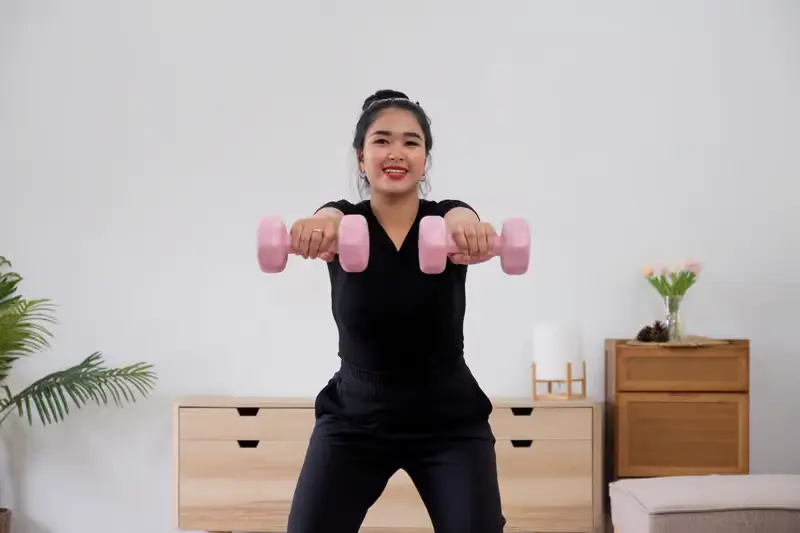
Starting a fitness routine can feel challenging when you are unfamiliar with exercise equipment, training techniques, or workout schedules. A structured approach makes the process easier. A beginner fitness program for women should develop strength, improve cardiovascular fitness, and build confidence without placing unnecessary demands on the body. The goal is not to complete exhausting workouts or achieve rapid physical changes. It is to establish a routine that can grow with your abilities. Full-body exercises, correct movement patterns, gradual progression, and sufficient recovery create a strong foundation. With realistic goals and a consistent schedule, beginners can develop skills that support long-term fitness and everyday physical activities.
Understanding the Training Needs of Women New to Exercise
Women who are new to fitness often benefit from a balanced program that introduces different types of movement. Instead of focusing on one muscle group or following an advanced workout routine, beginners should develop general strength, coordination, mobility, and endurance. These abilities make future training more effective and manageable.
Training needs differ according to age, health background, previous activity, available time, and personal goals. Someone returning to exercise after several years may need a slower starting point than someone who already walks or participates in recreational sports. Existing injuries or medical conditions may also influence exercise selection.
Strength training is particularly valuable. It helps develop muscle function, supports everyday movement, and contributes to bone health. It does not automatically create an excessively muscular appearance. Changes in muscle size depend on several factors, including training volume, nutrition, genetics, and time.
A useful program combines resistance exercises with cardiovascular activity and mobility work. This creates a more complete foundation than relying on one type of exercise.
Choosing Realistic Fitness Goals Before Starting
Clear goals help beginners understand what progress should look like. Appearance-related goals may be important to some people, but they should not be the only measure of success.
Performance goals offer practical alternatives. A beginner might aim to complete three weekly workouts, perform ten controlled squats, or walk continuously for thirty minutes. These targets are measurable and connected to actual improvements in physical ability.
Start with one or two priorities. Trying to improve strength, endurance, flexibility, and body composition simultaneously can create unnecessary pressure. Once the initial routine becomes consistent, additional goals can be introduced.
Designing a Balanced Full-Body Workout Schedule
Full-body workouts are useful for beginners because they train several major muscle groups during one session. This approach provides broad training exposure without requiring separate workouts for every body part.
A practical starting schedule includes two or three nonconsecutive strength-training sessions each week. For example, a beginner could train on Monday, Wednesday, and Friday, leaving recovery time between sessions. Each workout can include a lower-body movement, an upper-body push, an upper-body pull, and a core exercise.
Cardiovascular activity can fit between strength sessions. Walking, cycling, swimming, or another comfortable activity can improve endurance without making the weekly schedule too demanding. Adults are generally encouraged to work toward at least 150 minutes of moderate-intensity aerobic activity each week, alongside muscle-strengthening activities on two or more days. Beginners can build toward these recommendations gradually.
The schedule should also reflect real responsibilities. A routine that fits work, family, education, and personal commitments is more sustainable than an ambitious plan that regularly gets interrupted.
Structuring Training Days Without Overloading the Body
A strength session should begin with a short warm-up. Five to ten minutes of easy movement can increase circulation and prepare the body for exercise. Dynamic movements, such as arm circles, gentle hip movements, and controlled bodyweight squats, can help prepare relevant joints and muscles.
The main workout should focus on a small number of exercises performed with good technique. Beginners can start with one or two sets of each movement and adjust as their fitness improves. A session does not need to be extremely long to be useful.
Finish with a few minutes of easy movement and gentle stretching if comfortable. Avoid forcing stretches or treating soreness as proof of a successful workout.
Essential Full-Body Exercises and Their Training Benefits
A beginner program should cover the main movement patterns used in everyday activities. These include squatting, hinging at the hips, pushing, pulling, and stabilizing the core. Learning these patterns creates a foundation for more advanced exercises.
For the lower body, bodyweight squats help develop the muscles used when sitting, standing, and climbing stairs. Glute bridges train the hips and gluteal muscles, while supported lunges introduce single-leg strength and balance. Beginners can hold a stable surface when necessary.
Upper-body training can include wall push-ups, resistance-band rows, and light dumbbell presses. Wall push-ups provide an accessible way to practice pushing movements. Rows strengthen the upper back, while controlled presses develop shoulder and arm strength.
Core exercises should focus on stability rather than simply completing a large number of repetitions. Dead bugs and bird dogs encourage controlled movement, while modified planks introduce basic trunk endurance.
Choose exercises according to current ability. Bodyweight movements may be sufficient initially. Resistance bands and light weights can be added when movement quality is consistent. The best exercise is one that can be performed safely and repeated with appropriate progression.
Mastering Exercise Form Before Increasing Intensity
Correct technique is more important than lifting heavier weights or completing more repetitions. Good form helps direct effort toward the intended muscles and makes movement more controlled. It also reduces the likelihood of avoidable strain caused by rushing or using resistance that exceeds current ability.
Beginners should pay attention to posture, joint alignment, breathing, and movement speed. During a squat, for example, the feet should remain stable while the knees move in a controlled direction that follows the toes. The torso should stay controlled rather than collapsing forward.
Breathing also matters. Avoid holding your breath throughout an exercise. A useful starting approach is to breathe out during the more demanding part of a movement and breathe in during the return phase.
Use a manageable range of motion. Not every beginner needs to perform deep squats or full push-ups immediately. The movement should match current mobility and strength.
Mirrors, qualified trainers, and reliable exercise demonstrations can help identify technique problems. However, mirrors should not become a distraction. Learning how a movement feels is also important.
Common Technique Errors That Beginners Should Watch For
Common mistakes include allowing the back to round during lifting movements, letting the knees collapse inward during squats, arching the lower back excessively during presses, and moving too quickly through repetitions.
These issues often appear when resistance is too heavy or the exercise is too difficult. Reducing the load, slowing down, or choosing an easier variation can improve control.
Normal muscular effort is expected during exercise. Sharp pain, sudden joint discomfort, dizziness, or unusual symptoms are different. Stop the activity and seek appropriate medical advice when necessary. Persistent discomfort should not be ignored simply to complete a workout.
Understanding Progressive Overload Without Rushing Results
Progressive overload means gradually increasing the demands placed on the body as strength and fitness improve. It gives muscles and other systems a reason to adapt. However, progression should be planned rather than rushed.
Beginners can increase training demands in several ways. They might complete an additional repetition, add a set, use slightly more resistance, improve movement control, or move toward a more challenging exercise variation.
For example, someone who begins with eight controlled bodyweight squats may gradually work toward twelve repetitions. Once that movement feels manageable and technique remains consistent, a light dumbbell may provide an appropriate next challenge.
There is no need to increase every variable at once. Adding weight, sets, and repetitions simultaneously can make it difficult to identify why a workout suddenly feels too demanding. It may also interfere with recovery.
Keep a simple training record. Write down exercises, sets, repetitions, resistance, and any relevant observations about technique. This makes improvements easier to recognize and helps prevent random changes.
Progress also depends on recovery. If performance declines across several sessions or soreness remains unusually intense, the program may need more rest or a lower workload.
Practical Ways to Make Each Workout More Challenging
Increase repetitions gradually while maintaining controlled movement. When a beginner can complete the planned repetitions comfortably, adding a small amount of resistance may be suitable.
Another option is to improve exercise difficulty through variations. Wall push-ups can progress to push-ups against a lower surface, while supported lunges can become unsupported as balance improves.
Controlled tempo can also increase training demands without requiring heavier weights. Taking more time during the lowering phase of a squat, for example, encourages better movement awareness.
Choose one progression method at a time. This keeps changes measurable and makes it easier to maintain good technique.
Recovery, Nutrition, and Energy Management for Better Results
Exercise creates a training stimulus, but recovery allows the body to adapt. Muscles need time to repair, and the nervous system also benefits from adequate rest. Beginners who train intensely every day may experience persistent fatigue, reduced motivation, or declining performance.
Sleep is a central part of recovery. Adults generally need at least seven hours each night, although individual needs vary. A consistent sleep schedule and a relaxing evening routine can support better rest.
Nutrition should provide enough energy for daily activities and exercise. Include protein sources such as eggs, fish, poultry, dairy products, beans, lentils, and tofu. Protein supports muscle repair and maintenance. Carbohydrates provide energy for training, while healthy fats support normal body functions.
Fruits, vegetables, whole grains, and other nutrient-rich foods help supply vitamins, minerals, and fiber. Avoid extreme calorie restriction, especially when beginning a new exercise routine. Insufficient energy can make workouts harder and interfere with recovery.
Hydration also matters. Drink water regularly and adjust intake according to activity level, temperature, and individual needs.
Menstrual symptoms, stress, and changing energy levels may affect workout comfort. It is reasonable to adjust intensity when necessary. Women who are pregnant, recently postpartum, or managing a medical condition should seek individualized guidance before following a new training program.
Staying Consistent When Motivation and Progress Fluctuate
Motivation naturally changes. Some weeks, exercise may feel enjoyable. During busy periods, even a short workout can seem difficult to fit into the day. A sustainable program should account for these fluctuations instead of depending on constant enthusiasm.
Choose regular training times and treat them as planned commitments. Preparing workout clothes, keeping resistance bands accessible, and selecting exercises in advance can reduce the effort needed to get started.
Shorter sessions are useful when time is limited. A brief routine containing squats, wall push-ups, rows, and a core exercise can help maintain consistency. It is better to complete a manageable session than repeatedly skip exercise because a longer workout is impossible.
Missed sessions should not lead to guilt or excessive catch-up training. Resume the normal schedule and make adjustments if necessary.
Track improvements beyond appearance. Better balance, increased strength, easier stair climbing, improved endurance, and greater confidence are meaningful results. These changes can provide motivation even when visible physical changes are slow.
Adapting the Program to Different Fitness Levels and Personal Circumstances
A beginner program should evolve as physical ability and personal circumstances change. Someone with limited mobility may need chair-supported exercises or a smaller range of motion. Another person may prefer resistance bands because they are inexpensive, portable, and easy to store.
Women returning after a long break should begin with a manageable workload rather than immediately repeating their previous training volume. Gradual reintroduction allows strength, coordination, and endurance to develop again.
Pregnancy and postpartum recovery require additional care. Exercise selection and intensity may need to change according to the stage of pregnancy, delivery experience, symptoms, and professional recommendations. Existing injuries or chronic conditions may also require modifications.
Review the program every four to six weeks. Consider whether exercises feel more controlled, whether recovery is adequate, and whether the schedule remains realistic. Change the routine when there is a clear reason, not simply because a new workout trend appears.
Flexibility makes a program more useful. The objective is to build a routine that supports individual needs and continues to develop with experience.
Conclusion
A successful beginner fitness program for women starts with manageable full-body exercises, proper technique, and a realistic weekly schedule. Progressive overload helps develop strength over time, while adequate recovery and balanced nutrition support adaptation. Beginners should focus on movement quality and consistent participation rather than comparing their results with others. Adjustments are part of effective training, not signs of failure. By building gradually and choosing exercises that fit personal abilities, women can develop greater strength, confidence, and physical independence. The most effective routine is one that can be maintained and improved over the long term.