
Good health depends on more than responding to illness when symptoms appear. It also involves making informed decisions that reduce risks and support well-being over time. Preventive health combines routine medical care, healthy lifestyle choices, and regular assessments. These elements help people identify potential concerns early and maintain habits that support physical and mental health. However, a useful plan must fit individual needs. Age, family history, existing conditions, work demands, and lifestyle all influence preventive priorities. Developing essential health plan routines can make healthcare more organized and manageable. With realistic goals and consistent daily actions, people can take a more proactive approach to long-term health.
Building the Core Structure of a Personal Preventive Health Plan
A personal preventive health plan provides a framework for managing health before serious problems develop. It should combine medical appointments, recommended screenings, vaccinations, physical activity, balanced nutrition, sleep, and mental wellness. These areas work together rather than functioning as separate responsibilities.
The first step is understanding individual health needs. A young adult with no known medical conditions may have different preventive priorities from an older person managing high blood pressure. Family medical history, previous illnesses, medications, and lifestyle factors also influence recommendations.
A primary care professional can help identify appropriate preventive services. This guidance is important because not every screening or medical test is necessary for everyone. Unnecessary testing may create confusion, expense, and avoidable anxiety.
Organization makes the plan easier to follow. Keep medical records, medication information, screening results, and appointment dates in one accessible place. Use a calendar to track upcoming responsibilities. Review the plan periodically so it remains relevant as circumstances change.
Establishing a Personal Health Baseline
A health baseline provides a reference point for understanding changes over time. It may include information such as blood pressure readings, weight trends, medical history, current medications, allergies, and previous screening results.
The purpose is not to monitor every measurement constantly. Instead, accurate records help healthcare professionals understand a person’s health history and identify changes that may require attention.
For example, someone with a family history of cardiovascular disease may benefit from discussing appropriate risk assessments with a doctor. Another person may need to track an existing condition through scheduled appointments.
Avoid interpreting isolated readings without professional guidance. Measurements can vary because of activity, stress, medication, and other factors. A healthcare professional can explain what the results mean in the context of overall health.
Preventive Medical Services That Deserve Regular Attention
Routine medical care is an important part of prevention. Regular visits with a primary care professional provide opportunities to review health concerns, discuss lifestyle habits, and identify appropriate screenings. These appointments can also help monitor existing conditions before they become more difficult to manage.
Screening recommendations depend on several factors. Age, sex, family history, personal medical history, and individual risk can influence which tests are appropriate and when they should occur. Blood pressure checks, cholesterol assessments, diabetes screening, and certain cancer screenings may be recommended for particular groups.
Vaccinations are another essential preventive measure. They help protect against specific infectious diseases and may reduce the risk of serious complications. The appropriate vaccination schedule depends on age, health status, previous immunizations, and local medical guidance.
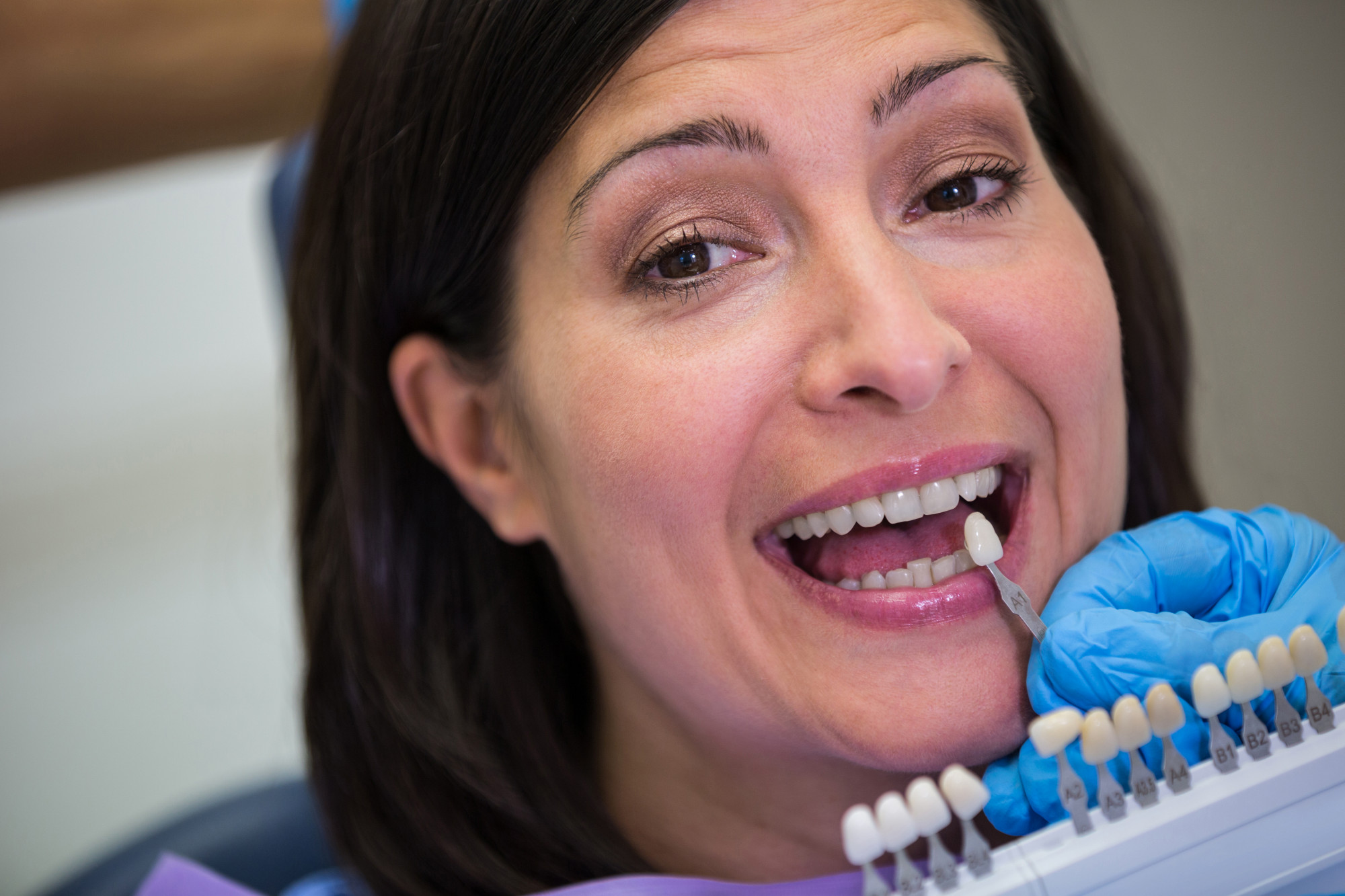
Dental and vision care also deserve attention. Oral health can affect comfort, nutrition, and general well-being. Vision examinations may identify changes that are not immediately noticeable. People with existing health conditions may need additional specialist assessments.
The goal is not to schedule every available test. It is to select evidence-based services that match personal health needs.
Making Preventive Appointments More Effective
Preparation can make medical appointments more productive. Before a visit, write down current concerns, recent symptoms, medications, supplements, and relevant changes in lifestyle. This reduces the chance of forgetting important details during a short consultation.
Ask the healthcare professional to explain the purpose of recommended tests and what the results may indicate. If a screening requires follow-up, clarify the next steps and expected timing.
It is also useful to understand the difference between routine screening and diagnostic testing. Screening looks for possible health problems in people who may not have symptoms. Diagnostic testing investigates a specific concern or abnormal finding.
Keep copies of important results and follow-up instructions. Organized records support continuity of care, especially when several healthcare professionals are involved.
Setting Wellness Goals That Produce Measurable Progress
Preventive health becomes easier to manage when broad intentions are converted into specific actions. A goal such as “be healthier” provides little direction. A more useful target might involve walking for 20 minutes on five days each week or preparing balanced lunches in advance.
Wellness goals can cover several areas. Physical activity goals may focus on endurance, strength, flexibility, or mobility. Nutrition goals may involve eating more vegetables, reducing frequent consumption of highly processed foods, or drinking water regularly.
Sleep and mental wellness also deserve measurable attention. Someone who regularly sleeps too little might begin by establishing a consistent bedtime. A person experiencing frequent stress may schedule short breaks or make time for enjoyable activities.
Avoid setting too many goals at once. Major lifestyle changes can become difficult to maintain when they compete with work, family, and other responsibilities. Start with one or two manageable improvements, then build on them.
Progress should not be measured through appearance alone. Better energy, improved mobility, more consistent sleep, and greater physical capacity are meaningful signs of progress. Review goals every few weeks and adjust them when necessary.
Daily Nutrition and Movement Habits That Support Disease Prevention
Nutrition and physical activity are central to long-term preventive health. A balanced eating pattern provides nutrients needed for normal body functions and supports overall well-being. Regular movement contributes to cardiovascular fitness, muscle strength, mobility, and metabolic health.
Build meals around a variety of vegetables, fruits, whole grains, protein sources, and healthy fats. Beans, lentils, eggs, fish, poultry, nuts, seeds, and dairy products can contribute useful nutrients. Portion sizes and individual dietary requirements will vary.
Reducing frequent consumption of foods high in added sugar, excess salt, and unhealthy fats may also support long-term health. However, healthy eating should not become an unnecessarily restrictive process. A sustainable pattern allows flexibility while prioritizing nutritious choices.
Physical activity does not need to involve a gym. Walking, cycling, swimming, dancing, gardening, and home-based strength exercises can all contribute to an active lifestyle. Adults are generally advised to aim for at least 150 minutes of moderate-intensity aerobic activity each week, along with muscle-strengthening activities on two or more days, when appropriate for their abilities and health status.
Reducing prolonged sitting is another practical step. Short movement breaks during work can make daily activity easier to achieve.
Making Healthy Choices Easier to Repeat
Healthy habits are more consistent when the environment supports them. Meal planning can reduce dependence on convenience foods during busy periods. Preparing ingredients in advance makes balanced meals easier to assemble.
Keep nutritious snacks available, such as fruit, yogurt, or unsalted nuts. If you work at a desk, schedule short walking breaks or stand during suitable tasks. People with limited time can divide activity into shorter sessions throughout the day.
The objective is to reduce the effort required to make healthy decisions. A routine that fits existing responsibilities is more likely to last than a demanding schedule that depends on constant motivation.
Sleep, Recovery, and Mental Wellness as Preventive Priorities
Sleep is an essential part of physical and mental health. It supports concentration, mood regulation, immune function, and recovery. Inadequate sleep can make it harder to manage daily responsibilities and may affect several aspects of health over time.
A consistent sleep schedule can improve sleep habits. Try to go to bed and wake up at similar times each day. Keep the bedroom comfortable, reduce unnecessary noise, and limit stimulating activities before bedtime. Adults generally need at least seven hours of sleep each night, although individual requirements vary.
Mental wellness also deserves attention within a preventive health plan. Ongoing stress can influence sleep, eating habits, relationships, and physical activity. Regular relaxation, enjoyable hobbies, social connection, and realistic boundaries can support emotional well-being.
Recovery should not be treated as wasted time. Rest days, breaks from demanding tasks, and periods of reduced stimulation help people manage everyday pressures. Persistent sleep difficulties, emotional distress, or changes in daily functioning should be discussed with a qualified professional.
Organizing Health Responsibilities Through Weekly and Monthly Routines
A health plan becomes more practical when responsibilities are distributed across a manageable schedule. Weekly planning can include meal preparation, exercise sessions, grocery shopping, and time for recovery. These activities do not need to occupy large portions of the day.
Monthly reviews can help assess whether goals remain realistic. Check upcoming appointments, review exercise consistency, and consider whether sleep or nutrition habits have changed. If a routine feels difficult to maintain, identify the specific barrier rather than abandoning the entire plan.
Digital calendars, phone reminders, and written planners can help organize preventive responsibilities. However, avoid creating so many reminders that they become another source of stress.
A simple schedule might include exercise on selected days, meal planning once a week, and a short monthly wellness review. Medical appointments should follow the schedule recommended by healthcare professionals rather than an arbitrary monthly routine.
Consistency is more valuable than complexity. A straightforward system that people can maintain is often more effective than an elaborate plan that quickly becomes overwhelming.
Avoiding Common Problems That Undermine Preventive Health
Several habits can weaken preventive health efforts. One common problem is delaying medical appointments because there are no obvious symptoms. Some health conditions develop gradually and may not produce noticeable warning signs. Appropriate screening and professional assessments can help identify certain risks earlier.
Another issue is self-diagnosis. Online information can help people understand general health topics, but it cannot replace an individual medical assessment. Interpreting test results without context may lead to unnecessary worry or inappropriate decisions.
Unverified wellness trends can also create problems. Extreme diets, unnecessary supplements, and aggressive exercise routines may carry risks. More activity or more supplements do not automatically mean better health.
Unrealistic goals are another barrier. People may attempt to change their diet, sleep schedule, exercise habits, and daily routine at the same time. When these changes become difficult, motivation often declines.
A better approach is to prioritize evidence-based actions, seek qualified advice, and introduce changes gradually. Preventive health should support daily life rather than become a constant source of pressure.
Adapting Your Health Plan as Personal Needs Change
A preventive health plan should evolve with changing circumstances. Age, pregnancy, family history, new diagnoses, medication changes, and lifestyle transitions can influence health priorities.
For example, someone who becomes less physically active because of a new job may need to adjust their movement routine. A person diagnosed with a chronic condition may require additional monitoring or specialist care. Changes in family medical history may also affect screening discussions.
Review the plan with a primary care professional when important circumstances change. This helps ensure that appointments, screenings, and lifestyle recommendations remain appropriate.
Coordinating care is particularly important for people who consult several specialists. Maintain an updated medication list and share relevant medical information with each provider. This can reduce confusion and help professionals make better-informed decisions.
Flexibility is a sign of an effective plan. The purpose is not to follow a fixed checklist forever. It is to make informed adjustments as health needs develop.
Conclusion
Preventive health works best when medical care, wellness goals, and daily habits support one another. Regular checkups and appropriate screenings help identify potential concerns, while balanced nutrition, physical activity, sleep, and stress management support everyday well-being. Effective essential health plan routines should reflect individual needs and remain flexible as circumstances change. Start with manageable actions, organize important medical information, and review progress regularly. Prevention is not a single appointment or short-term project. It is an ongoing approach to protecting health, improving quality of life, and supporting a healthier future.