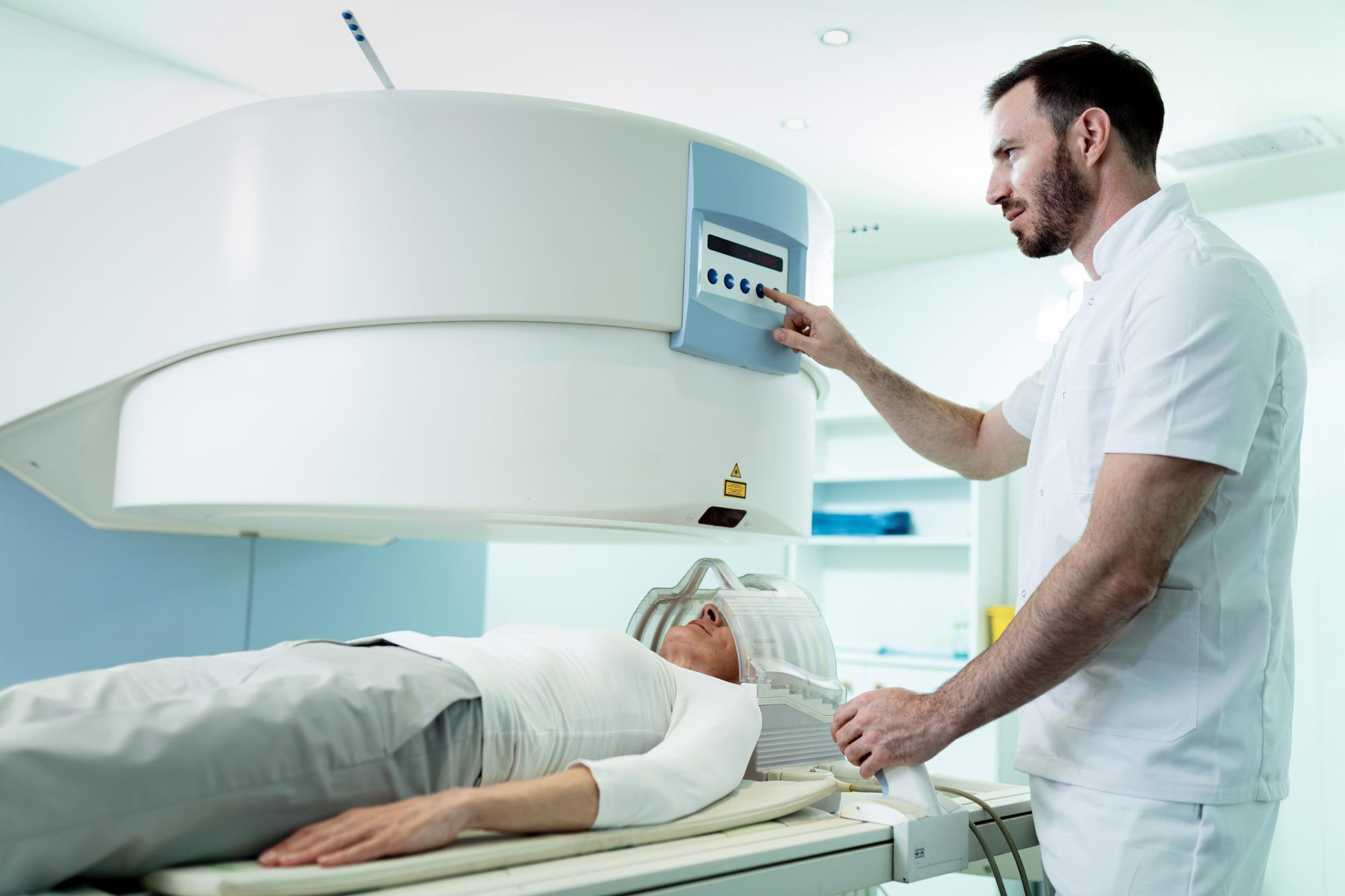

Long-term well-being requires more than visiting a doctor when something goes wrong. It involves understanding personal health risks, maintaining preventive care, and developing habits that support the body and mind. An essential health plan provides a structured approach to these responsibilities. It connects routine medical assessments, healthy lifestyle choices, emotional wellness, and informed healthcare decisions. This approach helps people become more aware of potential health concerns and take appropriate action before problems become more difficult to manage. Essential health plan wellness is not about following a complicated checklist. It is about creating a practical strategy that reflects individual needs, adapts to changing circumstances, and supports a healthier life over time.
Understanding What an Essential Health Plan Actually Includes
An essential health plan is a personalized framework for protecting and maintaining overall health. It combines preventive medical services with everyday lifestyle practices. Rather than focusing exclusively on treating existing conditions, it encourages people to identify health risks and make informed decisions that support long-term well-being.
The plan may include routine medical assessments, recommended screenings, vaccinations, dental examinations, vision checks, physical activity, balanced nutrition, and mental health support. Each component contributes to a different aspect of health.
Personal circumstances determine which services and habits deserve priority. Age, family medical history, existing conditions, medications, and lifestyle can influence preventive recommendations. Someone with a family history of diabetes may need to discuss specific risk assessments with a healthcare professional. Another person may require regular monitoring because of an existing cardiovascular condition.
An effective plan should also coordinate medical care with everyday behavior. Healthy eating cannot replace necessary medical treatment, just as routine checkups cannot compensate for consistently unhealthy habits. Both are important.
The Difference Between Preventive Care and Reactive Treatment
Preventive care focuses on reducing risks and identifying potential health concerns before they cause noticeable problems. Examples include recommended vaccinations, routine screenings, and assessments of cardiovascular risk.
Reactive treatment begins when symptoms, injuries, or diagnosed conditions require medical attention. It focuses on evaluating and managing an existing problem.
Both approaches are necessary. Preventive care cannot eliminate every illness or guarantee that a condition will be detected early. Some health problems develop unexpectedly or require treatment despite careful prevention.
The strongest healthcare strategy combines appropriate prevention with timely medical attention. People should not delay professional care simply because they have a preventive plan or believe their lifestyle is healthy.
How Early Risk Awareness Protects Physical Health
Many health conditions develop gradually. Some may produce few noticeable symptoms during their early stages. This makes appropriate health assessments an important part of long-term prevention.
Blood pressure monitoring can help identify elevated readings. Cholesterol assessments provide information about certain cardiovascular risk factors. Diabetes screening may help identify abnormal blood glucose levels in people who meet relevant screening criteria. Age-appropriate cancer screenings can also help detect specific conditions before symptoms appear.
However, screening is not equally useful for everyone. Recommendations depend on age, sex, family history, medical background, and individual risk. Some tests may produce false-positive results or identify abnormalities that require further investigation without necessarily representing serious disease.
Vaccinations also contribute to physical health protection. They help the immune system recognize particular infectious diseases and reduce the risk of certain complications. Dental and vision care support other important aspects of well-being.
The strategic advantage of early risk awareness is the opportunity to make informed decisions. When a potential concern is identified, healthcare professionals can discuss appropriate monitoring, lifestyle changes, or treatment options.
Recognizing Personal Risk Factors Before They Become Major Concerns
Risk factors provide useful information about areas that may deserve additional attention. Some cannot be changed, such as age and inherited genetic characteristics. Others are influenced by lifestyle and environment.
Tobacco use, physical inactivity, poor dietary patterns, excessive alcohol consumption, and inadequate sleep may contribute to certain long-term health risks. Existing medical conditions can also influence the likelihood of developing additional complications.
These factors often interact. For example, limited physical activity combined with an unbalanced diet may affect cardiovascular and metabolic health. Chronic stress may also interfere with sleep and make healthy routines harder to maintain.
People should discuss their individual risk profiles with qualified healthcare professionals. Understanding personal risks allows preventive decisions to become more targeted instead of relying on generic health advice.
Protecting Mental Health Through Structured Preventive Support
Mental health is an essential part of overall well-being. Emotional difficulties can influence concentration, relationships, sleep, appetite, and physical activity. Ignoring these concerns may make everyday responsibilities increasingly difficult.
A preventive health strategy should therefore include regular attention to emotional well-being. This does not mean that everyone needs formal therapy or frequent mental health assessments. It means recognizing emotional changes and responding appropriately.
Persistent stress, social isolation, ongoing anxiety, and poor sleep can affect quality of life. People may benefit from supportive relationships, realistic boundaries, relaxation practices, and activities that provide a sense of purpose.
Work-related pressure deserves particular attention. Constant availability, excessive responsibilities, and limited recovery time can gradually affect emotional health. Establishing boundaries between work and personal life can reduce some of this pressure.
Professional support is important when emotional symptoms become persistent or interfere with daily functioning. Counseling and other appropriate treatments can help people understand difficulties and develop healthier coping strategies.
Mental wellness should not be treated as an optional addition to physical healthcare. Both areas influence one another and deserve consistent attention.
The Role of Daily Lifestyle Decisions in Long-Term Health Protection
Everyday habits influence several aspects of physical health. Nutrition, movement, sleep, and recovery contribute to the body’s ability to function effectively. These habits also help manage certain risk factors associated with long-term conditions.
A balanced eating pattern should include vegetables, fruits, whole grains, protein sources, and healthy fats. Foods such as beans, lentils, fish, eggs, nuts, seeds, and vegetables provide nutrients that support normal body functions.
Reducing excessive consumption of highly processed foods, added sugars, and foods high in salt can also support healthier eating patterns. However, restrictive diets are not necessary for everyone. Nutritional needs differ according to age, activity, health conditions, and personal circumstances.
Physical activity is equally important. Walking, cycling, swimming, and strength exercises support cardiovascular fitness, muscle function, and mobility. Adults are generally advised to aim for at least 150 minutes of moderate-intensity aerobic activity each week, alongside muscle-strengthening activities on two or more days, when appropriate for their health and abilities.
Sleep and recovery complete the picture. Consistent sleep supports concentration, emotional regulation, and physical recovery. Taking breaks and avoiding prolonged inactivity can also contribute to better daily functioning.
Turning Healthy Intentions Into Repeatable Behaviors
Knowing what supports health does not always make it easy to follow through. Busy schedules, financial pressures, family responsibilities, and limited motivation can interrupt good intentions.
The solution is to make healthy choices easier to repeat. Prepare simple meals in advance, keep nutritious ingredients available, and plan physical activity around existing responsibilities. A short walk during a lunch break may be more realistic than committing to an extensive workout every day.
Create a consistent sleep schedule and establish a simple evening routine. If stress is a recurring problem, schedule short periods for relaxation or enjoyable activities.
Start with small changes. Once they become familiar, introduce additional habits. Gradual progress is more sustainable than attempting to transform every part of daily life at once.
Coordinating Healthcare to Avoid Gaps in Prevention
Healthcare can become complicated when a person visits several doctors or manages multiple conditions. Different providers may recommend tests, prescribe medications, or schedule follow-up appointments. Without organized information, important details can be overlooked.
Maintaining accurate medical records helps reduce this risk. Keep an updated list of medications, allergies, existing conditions, vaccination history, and relevant test results. Record the dates of important appointments and any follow-up instructions.
Communication between healthcare professionals is particularly important when treatments overlap. For example, a medication prescribed for one condition may influence the management of another. Sharing complete information helps providers make informed decisions.
Patients also have an active role in coordinating their care. Prepare questions before appointments and ask for clarification when instructions are unclear. Understand why a test is recommended, what the results may mean, and whether additional action is necessary.
A coordinated approach can improve continuity of care and reduce avoidable confusion. It also helps people become more confident participants in their own healthcare decisions.
Measuring Whether Your Health Plan Is Delivering Real Benefits
A health plan should be reviewed periodically to determine whether it remains useful. However, progress should not be measured through body weight or appearance alone.
Consider several indicators. These may include improved physical activity, better sleep consistency, increased strength, improved mobility, and greater awareness of emotional well-being. For people managing specific medical conditions, relevant measurements and clinical assessments may provide additional information.
Preventive care participation is another useful indicator. Are recommended appointments being completed? Are follow-up instructions being addressed? Are important medical records available when needed?
Tracking progress does not require constant monitoring. A simple monthly review may be sufficient for everyday wellness goals, while medical measurements should follow professional recommendations.
Some improvements take time. Others may be affected by age, genetics, illness, or circumstances outside personal control. Avoid interpreting temporary setbacks as proof that the entire plan has failed.
Use progress information to identify areas that need adjustment. The purpose of measurement is to guide better decisions, not create unnecessary pressure.
Financial and Practical Barriers That Can Disrupt Consistent Care
Access to preventive healthcare is not always straightforward. Appointment costs, transportation difficulties, limited clinic availability, and demanding work schedules can make regular care challenging.
These barriers require practical planning. Organize appointments in advance and combine suitable assessments during the same visit when healthcare providers consider it appropriate. Ask clinics about available payment arrangements, lower-cost services, or community health programs.
Work schedules can also be managed with reminders and advance planning. Keeping medical documents ready may reduce preparation time and make appointments more efficient.
People should distinguish between routine care and urgent medical needs. Cost or scheduling concerns should not delay emergency attention or the assessment of serious symptoms.
An effective health strategy should acknowledge real-life limitations. It should help people prioritize important services while identifying accessible ways to maintain consistent care.
Keeping Your Health Strategy Relevant Through Different Life Stages
Health priorities change as people move through different stages of life. A young adult may focus on vaccinations, healthy lifestyle habits, and appropriate preventive assessments. Later, cardiovascular risk monitoring, age-related screenings, and management of chronic conditions may become more important.
Family circumstances and work responsibilities can also influence health needs. Pregnancy, major lifestyle changes, a new diagnosis, or changes in medication may require adjustments to existing routines.
Reviewing the plan with a primary care professional helps ensure that recommendations remain appropriate. This is particularly important when several medical conditions or specialists are involved.
A health plan should never become a permanent checklist that ignores changing circumstances. It needs to reflect current medical guidance, personal priorities, and available resources.
Flexibility makes prevention more sustainable. When needs change, adjust the plan instead of abandoning it.
Conclusion
An effective health strategy connects preventive medical care, physical wellness, and mental health support. Early risk awareness can guide informed decisions, while healthy lifestyle habits help protect everyday well-being. Essential health plan wellness depends on understanding individual needs and coordinating appropriate care over time. Regular reviews, organized medical information, and realistic lifestyle goals make the process easier to maintain. No plan can prevent every illness, but a proactive approach can improve health awareness and support better decisions. Long-term wellness develops through consistent attention, professional guidance, and practical choices that evolve with life.